
Curious about rubber paving? This FAQ covers everything you need to know about its benefits, installation process, and maintenance. Find all your answers right here!
Key Takeaways
- Rubber paving is a durable, eco-friendly alternative to traditional paving materials. Made from recycled tires, it offers resilience and versatility for various applications.
- The installation of rubber paving is quick and low-maintenance. It’s often applied directly over existing surfaces, requiring minimal upkeep and leading to long-term cost savings.
- With excellent slip resistance and customization options, rubber paving enhances safety and aesthetic appeal for residential and commercial spaces.
What Is Rubber Paving and How Does It Work?
Rubber paving is an innovative and durable product made from recycled tires, designed to provide a flexible and resilient surface for various applications. Unlike traditional asphalt or concrete, which can crack and degrade over time, rubber paving adjusts to ground movements without breaking. This makes it an excellent choice for areas that experience frequent temperature fluctuations and heavy foot traffic.
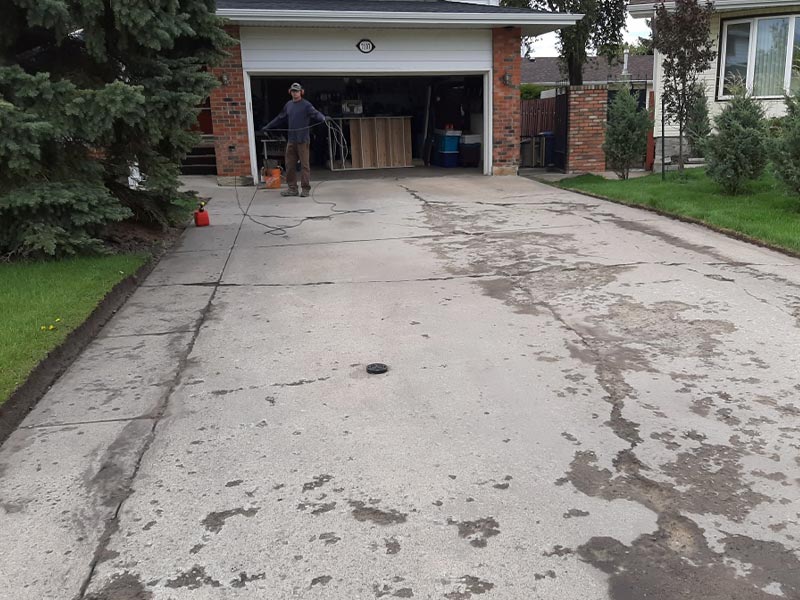
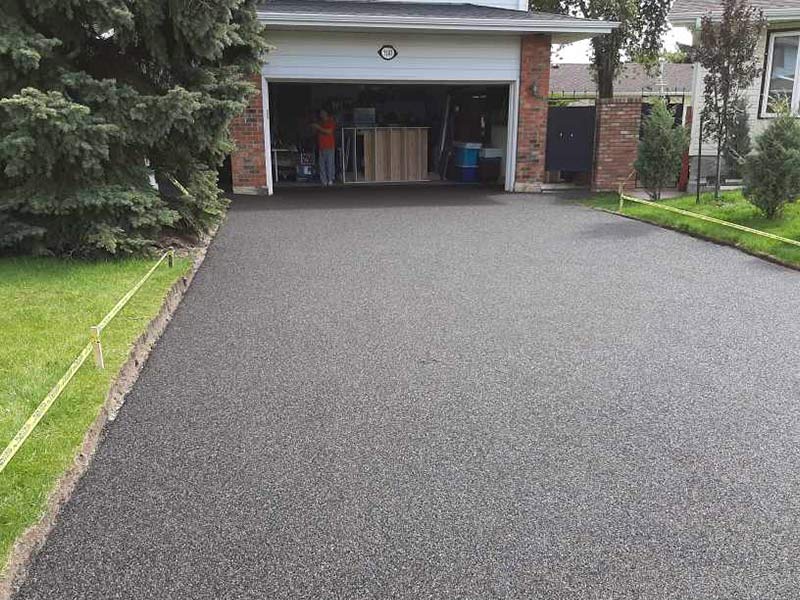
Rubber paving is versatile and suitable for driveways, patios, pool decks, and playgrounds. Picture a soft, cushioned surface that’s both comfortable and safe. Initially considered a novelty, rubber-paved driveways have become a practical and popular choice for homeowners upgrading their outdoor spaces.
Rubber paving is also an environmentally friendly option. Using recycled tires helps reduce landfill waste and promote sustainability. Rubber paving enhances your property’s look and feel while supporting a greener planet.
What Are the Benefits of Rubber Paving?
Many homeowners choose rubber paving for its cost-effectiveness. Although initial installation costs range between $8 and $12 per square foot, it’s a worthwhile long-term investment. Unlike asphalt or concrete, which need regular sealing and maintenance, rubber paving withstands extreme weather without cracking, resulting in fewer repairs and long-term savings.
Another significant benefit of rubber paving is its low maintenance. Unlike concrete, which often develops unsightly weeds, rubber paving prevents weed growth, simplifying upkeep. Its high durability allows for direct installation over existing surfaces, saving time and money for preparation and installation.
The environmental advantages of rubber paving are substantial. Using recycled tires significantly reduces landfill waste and lowers greenhouse gas emissions by up to 20% compared to traditional paving materials. This makes rubber paving an eco-friendly choice for environmentally conscious homeowners.
How Is Rubber Paving Installed?
The installation process for rubber paving is versatile and straightforward. It can be applied over existing surfaces like concrete, asphalt, and wood, eliminating the need for surface removal and making installation quicker and more cost-effective. Installation usually takes one day, with the surface ready for light use within 24 hours and fully cured in 48 hours.
The process involves:
- Cleaning and preparing the existing solid surface.
- Applying a specially formulated binder.
- Evenly spreading the rubber granules.
This method ensures a smooth, durable finish that adheres well to the underlying surface, providing a long-lasting solution for various applications.
How Durable Is Rubber Paving and What Maintenance Does It Require?
Rubber paving is known for its durability, enhanced by a polyurethane binder that boosts resilience and slip resistance. This material withstands diverse weather conditions and heavy foot traffic without wearing down quickly. For instance, a rubber-paved driveway can last over 20 years with minimal maintenance, offering a cost-effective and long-lasting alternative to traditional materials.
Rubber paving requires minimal upkeep. Regular cleaning with soap and water usually keeps the surface looking new. A light-pressure wash or garden hose works well for tougher stains, but it’s important to avoid harsh chemicals or high-pressure washers that could damage the surface.
Routine maintenance includes sweeping the surface with a soft broom to remove dirt and debris. During winter, using salt or any de-icer on rubber paving is safe and won’t cause damage. This durability leads to fewer repairs and replacements, resulting in cost savings over the years.
Rubber paving’s robust composition ensures it remains intact under pressure, preventing cracks and maintaining its aesthetic appeal. This makes it ideal for areas with heavy usage and harsh weather conditions.
What Safety Features Does Rubber Paving Offer?
Rubber paving provides substantial safety benefits. Its non-slip surface offers exceptional traction, even in wet conditions, making it ideal for pool decks, playgrounds, and walkways where safety is essential. The material’s porous design allows for efficient water drainage, minimizing puddles and reducing the risk of slips and falls. This enhances both the safety and usability of these areas.
Additionally, the cushioned, slip-resistant nature of rubber paving provides extra protection, especially in spaces prone to falls. Its textured surface maintains a reliable grip, even in icy weather, significantly lowering the risk of accidents during winter.
These combined safety features make rubber paving an excellent choice for residential and commercial settings.
How Versatile is Rubber Paving in Design Options?
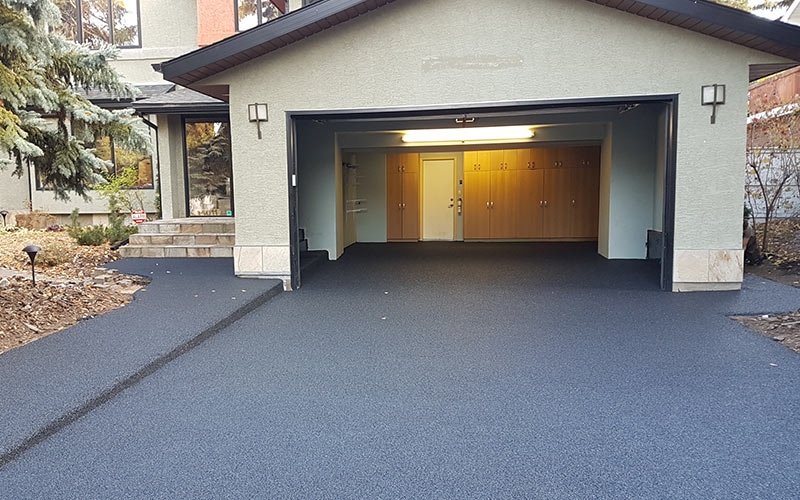
Rubber paving is both functional and versatile in design. The material can be custom-coloured, offering a wide range of aesthetic options to match any décor. Whether you prefer a solid or textured surface, rubber paving can be customized in various colours and patterns to enhance the visual appeal of your space.
Rubber paving’s flexibility allows it to mould into different shapes and designs, making it suitable for various applications, from residential driveways and patios to commercial walkways and playgrounds. The specially formulated binder ensures the material maintains its shape and adheres well to the underlying surface, providing a durable and attractive finish.
What Environmental Impact Does Rubber Paving Have?
Opting for rubber paving contributes to a more sustainable future. Made from recycled rubber and tires, it significantly reduces landfill waste and promotes environmental sustainability. By repurposing used tires, rubber paving helps alleviate landfill pressure and reduces the demand for new materials.
The environmental benefits of rubber paving also include its installation process, which can decrease greenhouse gas emissions by up to 20% compared to conventional asphalt. Additionally, the manufacturing process involves shredding discarded tires, minimizing waste and pollution.
This eco-friendly approach makes rubber paving a responsible choice for any project.
Where Can Rubber Paving Be Used?
Rubber paving is suitable for a wide range of uses. It’s perfect for driveways, patios, and pool decks in residential areas, providing a cushioned and comfortable surface that’s attractive and safe. Initially a novelty, rubber-paved driveways have become a practical and popular choice for homeowners looking to upgrade their outdoor spaces.
In commercial settings, rubber paving is ideal for playgrounds and public walkways due to its durability and capacity to reduce injury risk. Its water-resistant, non-slip surface makes it an excellent choice for splash parks and other high-traffic areas. The cushioning effect of rubber paving helps minimize the impact of falls, enhancing user safety.
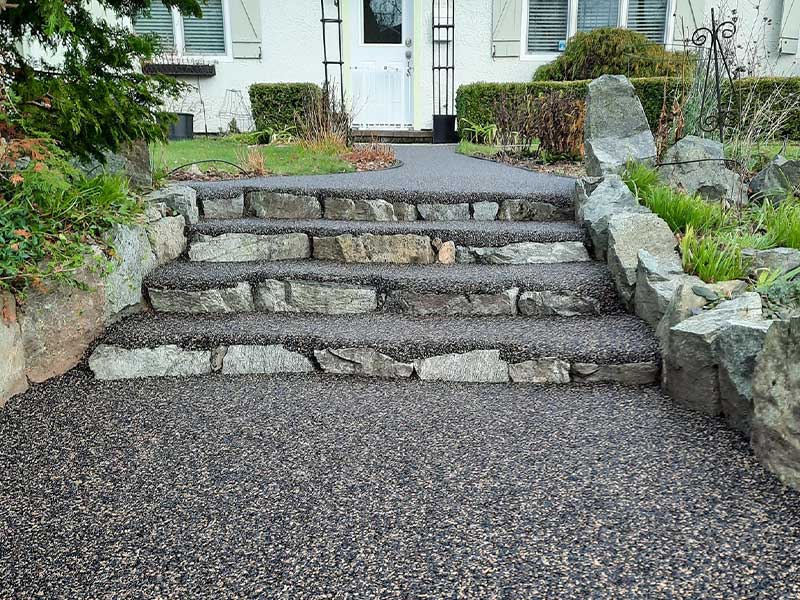
Rubber paving is also beneficial for garden paths and landscaped areas. Its ability to mould into different shapes and designs allows for creative and visually appealing installations. Rubber paving’s versatility makes it an excellent option for various applications, from residential driveways to public spaces.
How Do You Manage Snow and Ice on Rubber Paving?
Winter can be tough on any surface, but rubber paving is up to the challenge. To maintain the integrity and safety of your rubber-paved driveway in snowy conditions, use a plastic shovel for snow removal to prevent damage. Additionally, adding plastic stripping to snow blowers makes them safer for use on rubber surfaces.
The textured surface of rubber paving allows for easier snow scraping than concrete. Combined with the material’s natural slip resistance, your driveway remains safe and functional throughout the winter. Proper snow and ice management are essential for maintaining the longevity and safety of your rubber-paved surfaces.
How Do You Repair and Replace Rubber Paving?
Repairing a damaged rubber-paved area is straightforward. The process involves removing the affected section and reapplying new rubber granules using a specialized binding agent. This ensures the repaired area seamlessly blends with the rest of the surface, preserving its aesthetic appeal and functionality.
For larger areas or surfaces that have experienced significant wear, a maintenance coating can be applied to strengthen the entire rubber surface and improve its adhesion. This extends the life of the rubber paving while enhancing its appearance and durability.
What Are the Best Tips for Cleaning Rubber Paving?
Keeping rubber paving clean is simple and eco-friendly. Regular cleaning with soap and water usually keeps the surface looking new. A light pressure wash or a garden hose works well for tougher stains, but avoid using high-pressure washers or harsh chemicals, as they could damage the surface.
Mild cleaning solutions and a soft brush or broom can remove dirt and debris without harming the rubber. This low-maintenance approach ensures your rubber-paved surfaces remain attractive and functional for years.
Noise Reduction
Noise reduction is an often overlooked aspect of driveway paving but can significantly impact residential comfort. The noise reduction capabilities of rubber paving and concrete paving vary, affecting your decision.
Sound Absorption with Rubber Paving
Rubber paving effectively absorbs sound, reducing noise pollution and creating a quieter environment. Rubber’s unique properties allow it to dampen sound, making it particularly beneficial for residential areas where noise levels can impact the quality of life. This noise reduction capability contributes to a more serene living environment, enhancing overall comfort for residents.
Noise Levels with Concrete Paving
Concrete paving generates higher noise levels, especially during heavy foot traffic and vehicle movement. This noise amplification can lead to disturbances in residential areas, affecting comfort and peace. The increased noise levels associated with concrete paving can be particularly problematic under heavy traffic, making it a less desirable option for quieter environments.
Summary
Rubber paving offers numerous benefits, from cost-effectiveness and durability to its eco-friendly nature and versatile design options. Rubber paving provides a safe, attractive, and sustainable solution for upgrading your driveway, patio, or pool deck.
By choosing rubber paving, you’re investing in a long-lasting, low-maintenance surface that enhances the aesthetics of your property and contributes to environmental sustainability. It’s a smart choice for homeowners and businesses alike.
Frequently Asked Questions
What is rubber paving made from?
Rubber paving is primarily made from recycled tires, offering a durable, environmentally friendly surface solution.
How much does rubber paving cost?
Rubber paving typically costs between $8 and $12 per square foot, providing a cost-effective alternative to concrete and asphalt. This pricing makes it an appealing choice for many projects.
Can rubber paving be installed over existing surfaces?
Rubber paving can be installed over surfaces like concrete, asphalt, and wood, allowing for a more efficient and cost-effective installation process. This flexibility saves time and resources while enhancing your outdoor space.
How long does rubber paving last?
Rubber paving can last over 20 years with minimal maintenance due to its durable composition and weather resistance. Investing in rubber paving is a long-term solution for your surfaces.
What are the environmental benefits of rubber paving?
Rubber paving significantly reduces landfill waste by repurposing recycled tires, which decreases greenhouse gas emissions. Its eco-friendly properties make it a sustainable alternative to traditional paving materials.