
Are you choosing between rubber paving and concrete paving for your driveway? This guide outlines the pros and cons of each option, focusing on material composition, durability, safety, environmental impact, aesthetics, maintenance, costs, and noise reduction.
Key Takeaways
- Rubber paving offers quicker installation, lower maintenance, and greater durability than concrete paving, making it a cost-effective and environmentally friendly choice.
- While concrete paving is strong and capable of supporting heavy traffic, it requires a more intensive installation process and ongoing maintenance, leading to higher long-term costs.
- Rubber paving provides enhanced safety features, including slip resistance and shock absorption, making it more suitable for residential areas with high foot traffic.
Material Composition and Installation Process
Understanding the materials and installation methods is essential for making an informed decision, as rubber paving and concrete paving differ significantly in these areas.
Rubber Paving Composition and Installation
Rubber paving is primarily made from recycled tires and a polyurethane binder, creating a durable, slip-resistant surface. This environmentally friendly option not only repurposes waste materials but also offers significant benefits in terms of flexibility and longevity. The installation process is relatively straightforward and can often be done over existing surfaces, eliminating the need for excavation and reducing costs. With minimal special equipment required, rubber paving can be installed by DIY enthusiasts or professional contractors, making it a versatile choice for many homeowners.
Unlike traditional materials such as asphalt or concrete, rubber paving is installed more quickly and requires minimal site preparation. This efficiency saves time and reduces disruption. Beyond installation, rubber paving offers a durable, visually appealing surface that withstands various weather conditions.
Concrete Paving Composition and Installation
Concrete paving involves mixing cement, water, and aggregates to create a strong and durable surface. The installation process for concrete paving is more labour-intensive than that for rubber paving. It typically requires the demolition and removal of the old surface, followed by pouring and curing the new concrete. This process can be time-consuming and may lead to increased costs due to the need for specialized labour and equipment.
Despite the more complex installation process, concrete paving is known for its strength and ability to support heavy loads, making it a preferred choice for areas with significant vehicle traffic. However, the extensive preparation and curing time mean that concrete paving projects often take longer to complete, potentially causing inconvenience during installation.
Durability and Weather Resistance
Considering durability and resistance to harsh weather conditions is essential when selecting a paving material. Rubber paving and concrete paving offer different levels of durability and weather resistance, which can significantly impact their performance over time.
Rubber Paving Durability
Rubber paving is designed to withstand extreme temperatures, making it an ideal choice for regions with harsh winters and hot summers. Its flexibility prevents cracking and damage from freeze-thaw cycles, reducing the need for frequent repairs and making it a cost-effective option over time.
Rubber paving has a porous design that allows water to drain, preventing accumulation and reducing wear and tear in icy conditions. This feature and its durability under heavy foot traffic and snow ensure that rubber paving stays in great condition for many years. Additionally, its slip-resistant surface increases safety during wet and icy weather, making it a dependable choice for driveways and other outdoor surfaces.
Concrete Paving Durability
While concrete paving is solid and capable of supporting heavy loads, it is more susceptible to cracking and damage from repeated freeze-thaw cycles. This susceptibility to weather-related damage often increases maintenance and repair costs over time. Despite its strength, concrete’s rigidity makes it less adaptable to extreme temperature changes, which can compromise its longevity.
Concrete paving’s durability is also affected by its tendency to chip and wear under harsh environmental conditions. This can result in a less aesthetically pleasing surface and increased maintenance requirements to keep it in good condition. The need for regular sealing and crack repairs further adds to the long-term costs of maintaining a concrete driveway.
Safety and Comfort
Safety and comfort are paramount when selecting a paving material, especially for residential areas with frequent foot traffic. Rubber paving and concrete paving offer different characteristics that impact their safety and comfort levels.
Slip Resistance and Shock Absorption
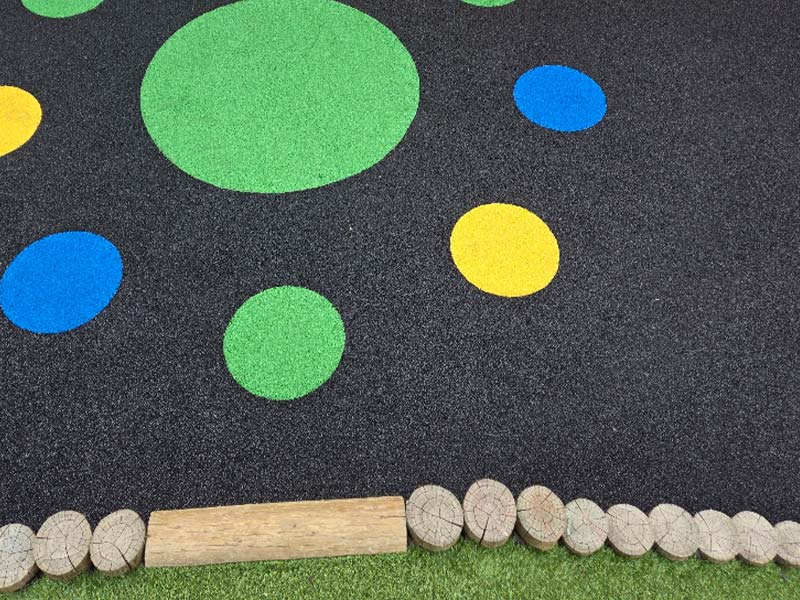
Rubber paving, designed with safety in mind, offers slip-resistant and shock-absorbing properties, ideal for high-traffic areas. Its excellent traction, particularly in wet conditions, minimizes the risk of slips and falls, providing a safer environment for walking and other activities. The shock-absorbing nature of rubber paving also reduces the risk of injury from falls, making it a preferred choice for playgrounds and residential driveways.
These features, along with the comfort of a cushioned surface, make rubber paving an excellent choice for enhancing safety and comfort in outdoor spaces. The benefits extend to reducing fatigue for those who spend a lot of time standing or walking on the surface, adding to the overall comfort and usability of the area.
Hardness and Safety Concerns
Concrete paving, while durable, presents several safety concerns due to its hard surface. In high-traffic areas or places where children play, the hardness of concrete can lead to a higher risk of injury from falls. Concrete surfaces can become slippery when wet, increasing the risk of accidents.
These safety issues make concrete paving less desirable for residential areas where safety and comfort are priorities. While the durability of concrete is a significant advantage, these safety concerns should be considered when choosing the best paving material for your driveway.
Environmental Impact
It is essential for environmentally conscious homeowners to consider eco-friendly paving materials. The environmental impact of traditional paving materials should not be overlooked, as the carbon footprints of rubber and concrete vary, influencing your choices.
Eco-Friendly Benefits of Rubber Paving
Rubber paving is an environmentally sustainable option that uses recycled tires, helping to divert millions of tires from landfills and reduce waste. Rubber paving promotes sustainability and lessens environmental impact by incorporating these recycled materials. This eco-friendly choice is especially appealing for homeowners looking for responsible options.
The primary material used in rubber paving is SBR rubber, which is derived from discarded tires. This highlights its role in waste reduction and environmental conservation. By choosing rubber paving, you can contribute to sustainability efforts while enjoying a durable and visually appealing paving solution.
Environmental Considerations of Concrete Paving
Concrete paving has a more significant environmental impact due to cement production, which is responsible for about 8% of global carbon emissions. The manufacturing process consumes substantial raw materials, such as limestone and clay, leading to habitat destruction and resource depletion.
Concrete construction can contribute to water pollution due to runoff containing harmful chemicals. Furthermore, the production process requires a lot of energy, which amplifies its impact on the environment. Although recycling concrete waste can help reduce some of these negative effects, the environmental considerations of concrete paving are still an essential factor to consider.
Aesthetic Versatility
Aesthetic versatility in rubber paving and concrete paving designs is an important factor for homeowners wanting to enhance the visual appeal of their driveways. Rubber paving and concrete paving offer different customization options to cater to various design preferences.
Customization with Rubber Paving
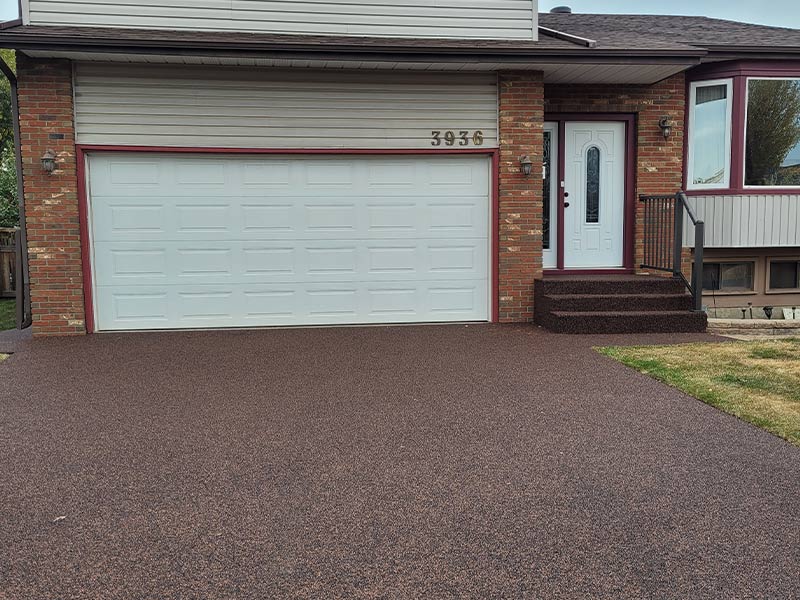
Rubber paving provides a wide range of colours, including over 20 base options and various blends for personalized looks. These colour options, ranging from vibrant hues to earthy tones, allow homeowners to achieve their desired aesthetic. Colour additives can be incorporated during the mixing stage to further customize the appearance.
In addition to colour choices, rubber paving offers various finishes, such as smooth, textured, or flat surfaces, enhancing customization options. Different grain sizes can also create unique designs, making rubber paving a versatile and appealing choice for outdoor surfaces.
Design Options with Concrete Paving
Concrete paving provides numerous design possibilities, including stamped patterns resembling brick, stone, or tile, making it adaptable to various aesthetic preferences. These options allow homeowners to achieve a sophisticated look that complements their home’s exterior.
Concrete paving can offer diverse textures and patterns through different finishing techniques, enhancing its visual appeal. Stains and dyes can be added to achieve additional customization, catering to individual design tastes.
Maintenance and Repairs
When choosing a paving material, it is essential to consider the maintenance and repair requirements. The maintenance needs of rubber paving differ significantly from those of concrete paving, impacting their long-term costs and usability.
Low Maintenance of Rubber Paving
Rubber paving requires minimal upkeep, typically just a simple water wash. Cleaning can be done with a regular or pressure hose, making maintenance straightforward. If defects occur, the area can be easily patched seamlessly, ensuring the paving material’s longevity and appearance.
Additionally, rubber paving does not encourage the growth of moss or other small plants, reducing the need for frequent cleaning. Rubber paving’s low maintenance enhances its cost-effectiveness and ease of use, making it appealing to homeowners.
Regular Maintenance of Concrete Paving
Concrete paving, in contrast, requires regular maintenance to ensure longevity and performance. This includes sealing the surface to prevent water penetration and addressing cracks promptly to avoid further damage. Regular sealing and repairs are necessary to maintain the appearance and functionality of concrete paving.
These maintenance requirements can be time-consuming and costly, adding to the long-term expenses associated with concrete driveways. Homeowners must consider these factors when choosing between rubber paving and concrete paving.
Cost Comparison
Cost is a significant factor in the decision-making process for driveway paving, as neglecting maintenance can lead to costly repairs. Rubber paving and concrete paving have differing initial installation costs and long-term cost efficiencies.
Initial Installation Costs
Rubber paving costs between $8 and $12 per square foot, making it an affordable and competitive option compared to other paving materials, such as asphalt. The quick installation process also helps to lower expenses. Concrete installation typically costs between $22 and $25 per square foot, resulting in a higher upfront investment.
The affordability of rubber paving, combined with benefits like reduced excavation needs and faster installation, makes it an appealing and cost-effective alternative to concrete.
Long-Term Cost Efficiency
One of the primary financial advantages of rubber paving is its long-term cost efficiency. Rubber paving is known for its durability, allowing it to withstand heavy traffic and harsh weather without significant wear. This durability reduces the need for frequent repairs, making rubber paving a cost-effective choice over time.
Additionally, the low maintenance costs associated with rubber paving further enhance its financial benefits. Homeowners can enjoy a durable and attractive driveway with minimal upkeep, contributing to overall cost savings in the long run. This combination of durability and low maintenance makes rubber paving a smart investment for maximizing the value of your driveway.
Noise Reduction
Noise reduction is an often overlooked aspect of driveway paving but can significantly impact residential comfort. The noise reduction capabilities of rubber paving and concrete paving vary, affecting your decision.
Sound Absorption with Rubber Paving
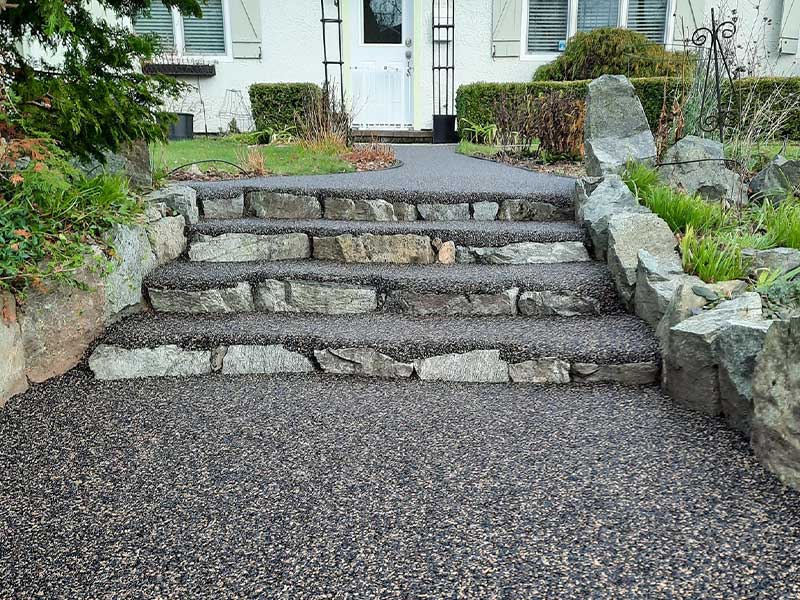
Rubber paving effectively absorbs sound, reducing noise pollution and creating a quieter environment. Rubber’s unique properties allow it to dampen sound, making it particularly beneficial for residential areas where noise levels can impact the quality of life. This noise reduction capability contributes to a more serene living environment, enhancing overall comfort for residents.
Noise Levels with Concrete Paving
Concrete paving generates higher noise levels, especially during heavy foot traffic and vehicle movement. This noise amplification can lead to disturbances in residential areas, affecting comfort and peace. The increased noise levels associated with concrete paving can be particularly problematic under heavy traffic, making it a less desirable option for quieter environments.
Summary
Both rubber paving and concrete paving offer unique advantages and challenges. Rubber paving stands out for its flexibility, durability, and eco-friendly benefits, making it a cost-effective and sustainable choice for many homeowners. Its slip-resistant and shock-absorbing properties enhance safety and comfort, while its low maintenance needs and long-term cost efficiency make it appealing for driveways.
While strong and able to support heavy loads, concrete paving presents challenges such as higher initial and maintenance costs, susceptibility to cracking, and environmental concerns. Despite its durability, potential safety issues and noise levels make concrete paving less suitable for residential areas focused on comfort and sustainability.
When choosing between rubber paving and concrete paving, it’s essential to consider your specific needs and preferences. By weighing the benefits and drawbacks of each material, you can make an informed decision that enhances your driveway’s functionality and aesthetic appeal.
Frequently Asked Questions
What are the main materials used in rubber paving?
Rubber paving is primarily made from recycled tires and adhesives, offering durability and environmental benefits. This combination improves sustainability and functionality.
How does the durability of rubber paving compare to concrete paving?
Rubber paving is generally more durable than concrete paving due to its flexibility and resistance to cracking, especially under extreme weather conditions. This makes it a more reliable choice for various outdoor applications.
Is rubber paving more environmentally friendly than concrete paving?
Yes, rubber paving is more environmentally friendly than concrete paving. It uses recycled materials, reducing landfill waste and promoting sustainability, whereas concrete production typically has a higher environmental impact.
What are the maintenance requirements for rubber paving?
Rubber paving requires minimal maintenance, primarily occasional washing and simple patching for defects. Regular care ensures its longevity and appearance.
How do the noise levels of rubber paving compare to concrete paving?
Rubber paving effectively absorbs sound, resulting in lower noise levels than concrete paving, which often amplifies sound, especially under heavy traffic conditions. Therefore, rubber paving is a better choice for quieter environments.